

Short answer: smartphones, laptops, and storage are becoming more expensive because AI data centers are buying up enormous quantities of memory chips (DRAM and NAND), while factories cannot expand production quickly enough. That shortage begins at the chip factory and works its way through to the retail price of your device.
Why are smartphones and laptops becoming increasingly expensive? Most people notice it, but they do not look at where it really begins.
We do.
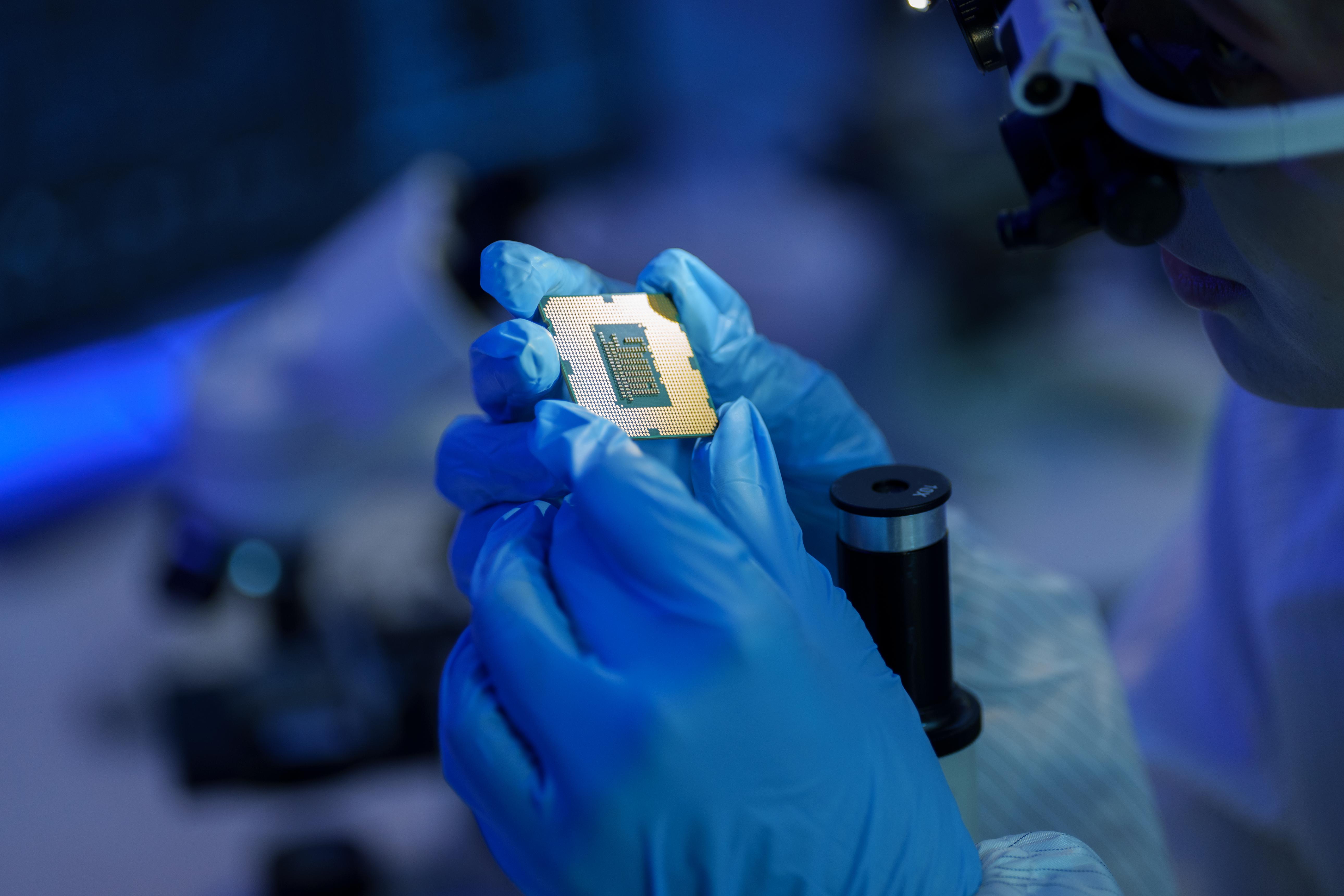
Because we need these components ourselves for our products, we went straight to the source: a factory where some of our memory chips are produced. The place where it all begins.
Before we were allowed inside
Before we could even enter the factory, we had to change completely. Not just partially, but completely.
- Special suits to prevent dust
- Protection against static electricity
- Strict control at every step
Everything here is focused on one thing: perfection. Because even the smallest speck of dust can make a chip unusable.
This is not a normal production environment. This is where the foundation is laid for the technology you use every day.
This is where your device begins
What we saw there makes one thing very clear: this is where your smartphone, laptop, or storage device truly begins.
Not in the store. Not from a brand. But here, at the production of memory.
And that memory, such as RAM and storage chips, is currently in extremely high demand.
Why demand is rising so sharply
The biggest reason? AI.
Companies around the world are currently building enormous data centers. They train models, process data, and run increasingly demanding systems.
And all those systems need one thing: a great deal of memory and storage.
When demand rises so sharply and production cannot keep up immediately, shortages arise. The figures show it: according to WSTS industry statistics, the memory market is expected to grow by approximately 250 percent in 2026. Read the background in our blog why the chip market is exploding due to AI demand.
What happens when supply and demand collide
As we walked around there, one thing became very clear: capacity here is not infinite.
And if:
- demand continues to rise;
- production is limited;
then the same thing always happens: prices don't rise slowly, they shoot up.
That is why electronics are currently becoming more expensive. Not because stores want that. But because it starts here.
What does this mean for you?
For most people, this simply translates into more expensive devices and more data.
We store more than ever: photos, videos, files, work data.
That is why it is becoming increasingly important to have reliable storage you can trust and to make smart choices about how much space you really need. Read which storage capacity is right for you.
Storage that keeps up with you
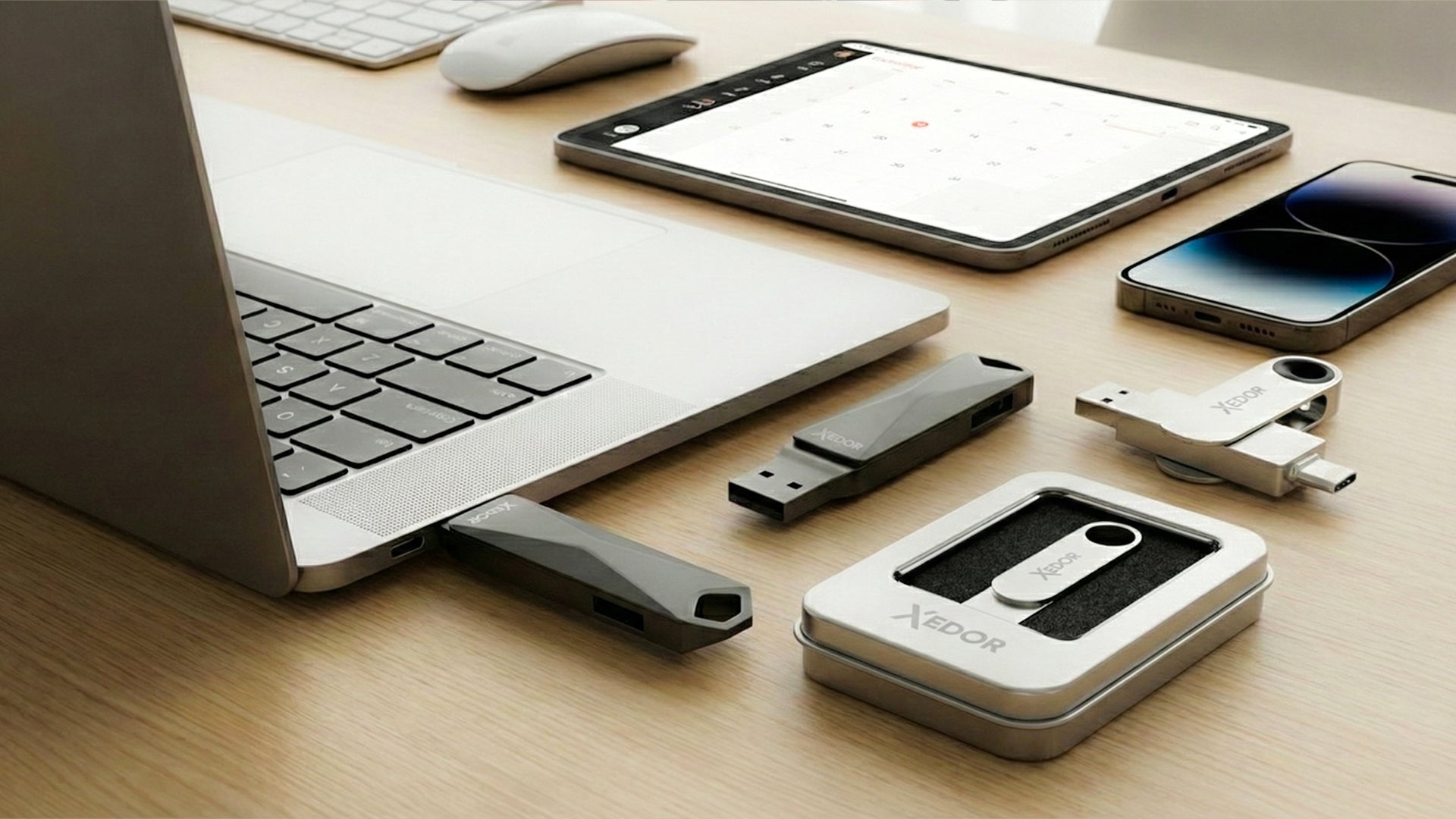
View our USB sticks for everyday use and backups, or choose more speed and capacity with an internal SSD for your PC, laptop, or PS5.
From factory to your desk
What we saw there gave us one clear insight: everything you use starts here.
In a space where everything revolves around precision, control, and scale.
And one thing is certain: the demand for data and storage continues to grow.
Frequently asked questions
Why are smartphones becoming more expensive?
Mainly because of the price of memory chips. AI data centers buy enormous quantities of DRAM and NAND, leaving less available for phones, laptops, and storage products.
Will USB sticks and SSDs also become more expensive?
Yes, they use the same NAND memory chips. When the purchase price of memory rises, you see it reflected in the retail price after some delay.
Is it smart to buy storage now?
If you need more storage soon, waiting for lower prices is not a certain strategy at the moment, because according to market forecasts, demand for memory will continue to grow in 2027 as well.
Conclusion
Rising electronics prices don't come out of nowhere. They start with the production of chips and memory.
Due to the enormous demand for AI and data storage, this market is under pressure. And what happens there ultimately shows up in the price and performance of your devices.
That is precisely why it is important to choose reliable storage solutions that grow with you.
Share via:
Why the chip market is exploding due to AI demand (and what that means for data storage)
Transfer photos from an SD card to your phone, tablet, or laptop